Reef care
How to visit a Bahamian reef without loving it to death
Forty years ago the reef off Rose Island looked different. Not dramatically — quietly. Less staghorn, fewer big groupers, more algae. This is what changed it, and what a single afternoon on the water can do about it.
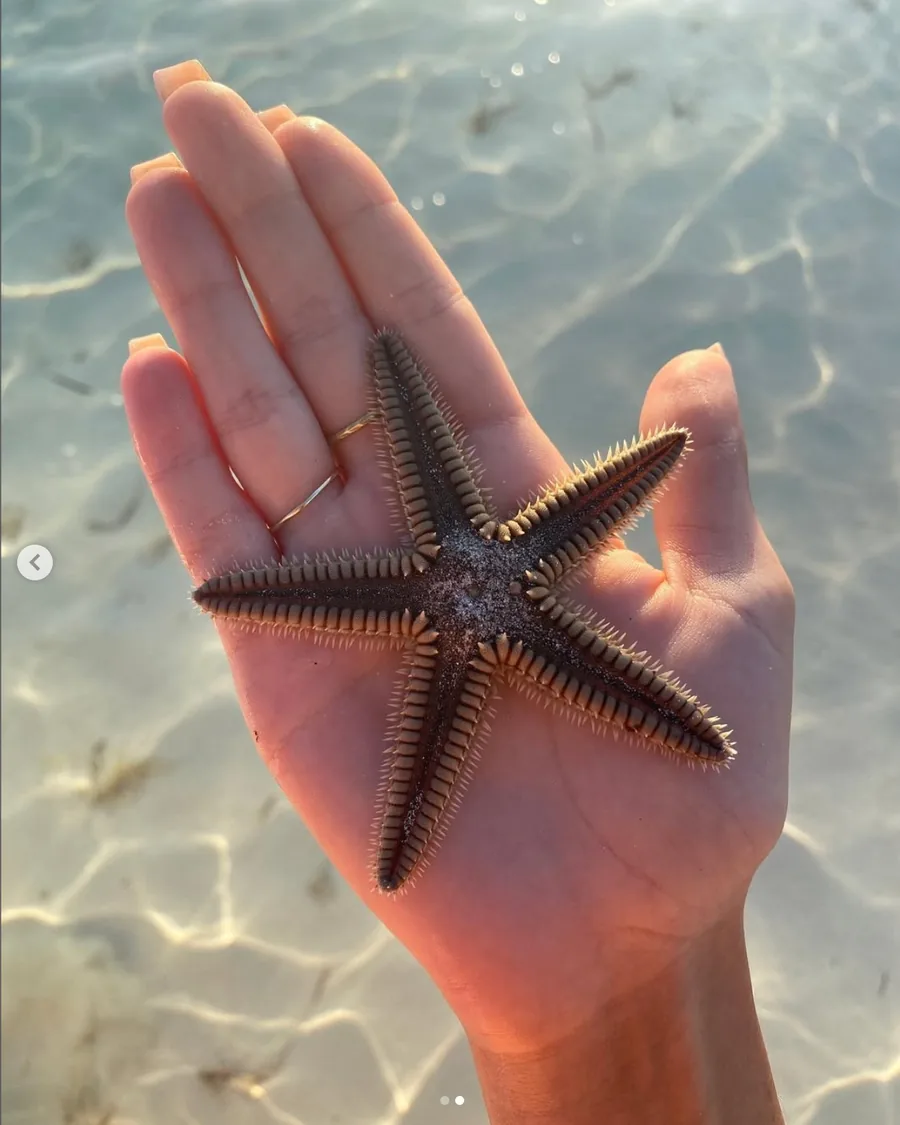
Nobody gets on a boat intending to damage a reef. The damage is almost always incidental: a fin brushing a coral head, a mask strap catching a sea fan, a starfish lifted for a photo and put back in the wrong place. Multiply that by a few hundred thousand visitors a year and you have the difference between a healthy reef and a tired one.
The good news is that incidental damage is the easiest kind to prevent, because it comes from habit rather than intent. These are the habits we ask guests to adopt on our charters, and why each one matters.
Do not stand, touch or hold on
Coral is an animal colony with a thin layer of living tissue over a limestone skeleton. A fingertip of pressure can crush the polyps; a fin blade can shear off a branch that took fifteen years to grow. It also cuts you — coral is sharp and reef cuts infect easily in the tropics.
If you need to rest, rest on the surface with a float. If you need to adjust a mask, tread water. There is no situation in a Bahamian snorkel that requires you to put a hand on the reef.
Put the starfish back where you found it
This is the one that catches people out. A starfish or sea biscuit lifted for a photograph and set down a few metres away has been moved to a different habitat, sometimes upside down, sometimes into sunlight it cannot tolerate. They breathe through their skin and can suffocate in minutes out of the water.
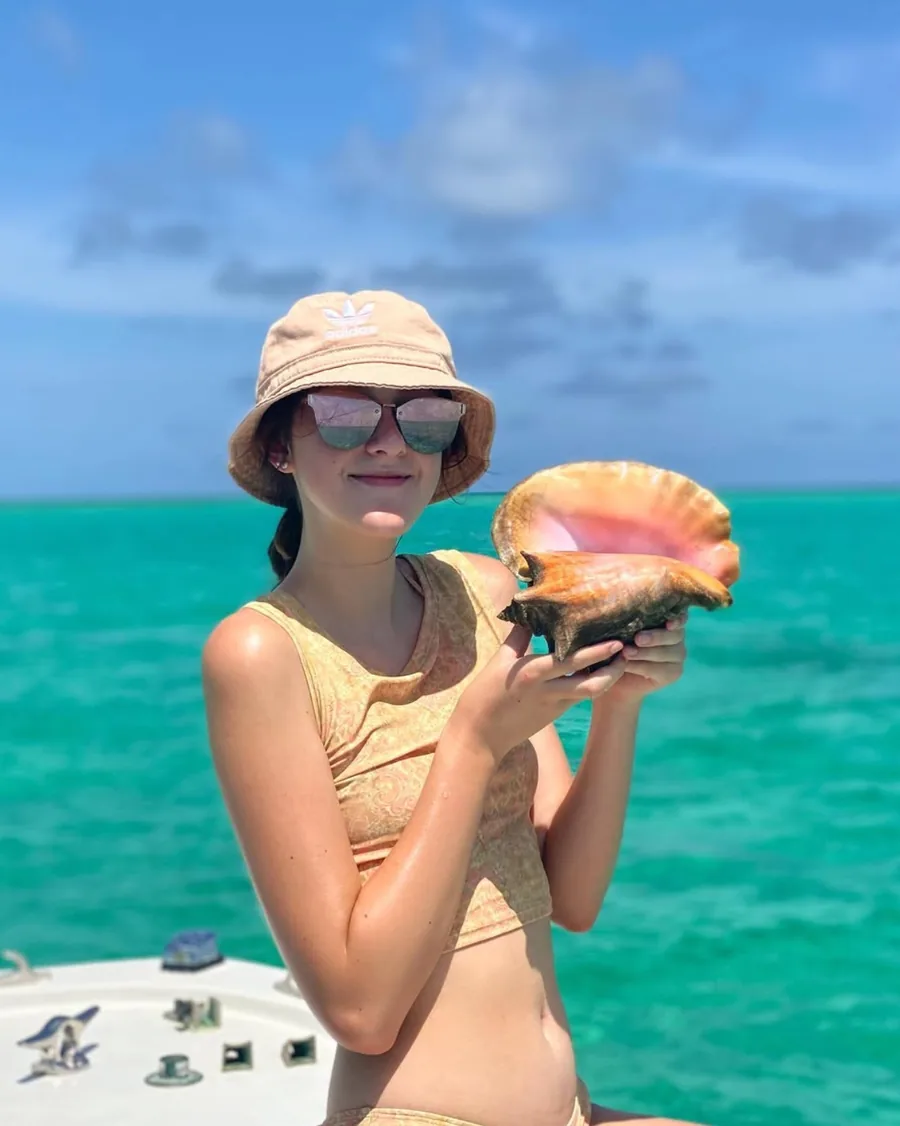
Look, photograph in place, and leave it where it is. The same goes for conch, sea cucumbers, urchins and coral fragments. A shell on the beach is usually someone’s home.
Wear reef-safe sunscreen, or none at all
Oxybenzone and octinoxate — the UV filters in most conventional sunscreens — are linked to coral bleaching and damage even at very low concentrations, and they wash off in the first few minutes of swimming. Several destinations have banned them outright.
The most reliable option is a long-sleeved rash guard and a hat, which protects you better than any lotion and puts nothing in the water. If you do use sunscreen, choose a mineral-based product with non-nano zinc oxide, and apply it before you get on the boat so it has soaked in by the time you swim.
Anchor in sand, never on coral
An anchor dragged across a reef leaves a scar that lasts decades. On our charters we anchor in sand or use a mooring where one exists, and the boat is positioned so the chain does not swing across the reef as the tide turns.
If you are ever on a boat where the crew drops an anchor onto coral, say something. It is the one intervention that stops damage in real time.
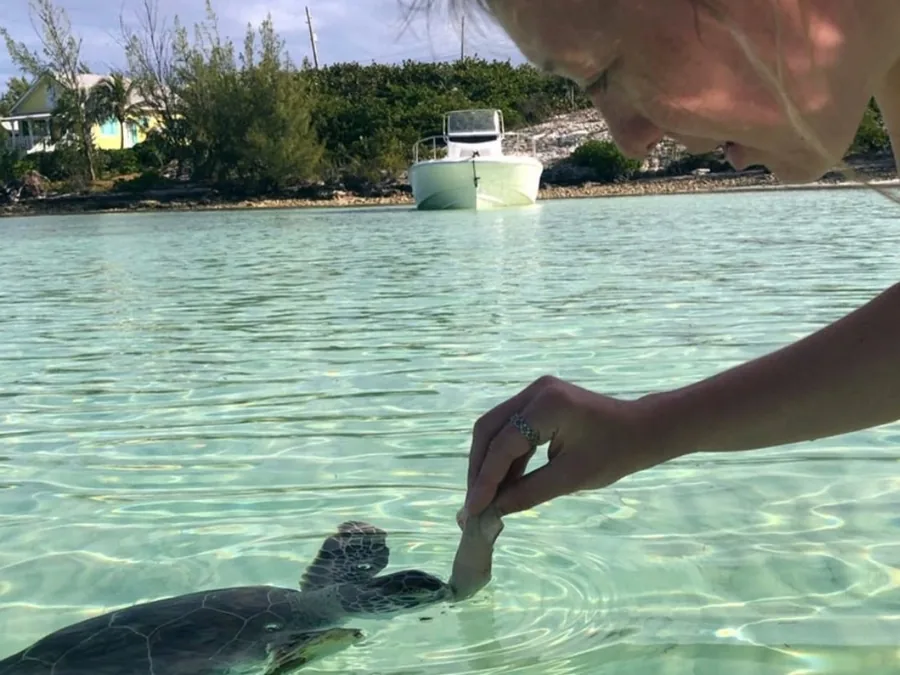
Do not feed the fish
Feeding changes behaviour. Fish that learn to associate people with food stop grazing algae, which is exactly the job that keeps coral from being overgrown. It also encourages aggressive species to mob swimmers, and it teaches animals to approach boats and propellers.
The exception worth knowing: lionfish. They are an invasive species in Bahamian waters with no natural predators here, and organised lionfish culls are one of the few genuinely effective conservation interventions on these reefs. If you see one, tell the captain rather than trying to handle it — the spines are venomous.
Take nothing but photographs
Shells, sand, coral skeletons, sea glass. It all looks like a harmless souvenir and it is all part of the system. Bahamian law also restricts the taking of conch, lobster and certain shells, and customs in the US and Europe will confiscate coral and shell items at the border.
The photographs are better anyway. They last longer and nobody inspects them at the airport.
What we do on board
We brief every group before the first snorkel stop: where the reef is, where the sand is, and where not to put your hands or fins. We carry reusable water instead of single-use bottles, we collect anything that blows off the boat, and we pick up the plastic we find on the beaches we stop at — usually a bagful per trip.
We also try to spread the load. The same three sites get hammered by every excursion boat in Nassau, so we rotate through a wider set of reefs and sandbars, including some that see very few visitors. It is better for the reef and, frankly, better for the guests.
The reef does not need you to save it. It needs you to stop standing on it.
One thing you can do before you arrive
Bring a rash guard instead of a bottle of sunscreen, a refillable bottle instead of a case of water, and a bag for anything that might blow overboard. That is most of it. The rest is a habit of keeping your hands to yourself, which is also, conveniently, how you see more.
If you would like to snorkel with a crew that takes this seriously, the snorkelling charter and the private charter both run on these principles.