Skills
Snorkelling tips for first-timers and nervous swimmers
Most people who think they are bad at snorkelling are simply doing three small things wrong. None of them take more than a few minutes to fix.
Every week someone steps onto the boat and announces that they are not a strong swimmer, and every week that person ends up staying in the water longer than anyone. The difference between a panicked first snorkel and a good one is almost never fitness. It is a handful of technique details and one honest conversation with the captain.
Here is what we teach on board, in the order it matters.
Start with the mask, before you get wet
A leaking mask ruins everything downstream: you spend the whole swim sniffing water and blinking, and you never relax enough to look around. Nine times out of ten a leak is caused by one of three things — hair trapped under the skirt, a strap tightened too far, or a mask that does not fit your face shape.
To test a mask, press it gently against your face without using the strap and breathe in through your nose. It should suction on and stay for a second or two. If it falls away, the mask is the wrong shape for you and no amount of tightening will fix it. When you put it on, the strap should sit high on the back of your head, not across the middle, and it should be just tight enough to seal — a strap pulled tight will distort the skirt and leak more, not less.
Breathe slowly, and use your whole lung
The instinct when your face goes under is to breathe fast and shallow. That is exactly what makes a snorkel feel restrictive. A snorkel is a tube with a fixed volume, and shallow breathing means you are rebreathing your own air.
Slow down. Long, steady inhale, long, steady exhale. If you feel short of breath, lift your head, take three normal breaths, and put your face back down. There is no prize for staying horizontal.
If water gets in the snorkel, you do not need to come up. A sharp puff of air — the way you would clear a blocked nose — blows it out the top. If that fails, lift your head and tip the tube out. Simple as that.
Clear a flooded mask without panic
Masks flood. A wave, a smile, a badly timed laugh. The trick is to break the seal deliberately rather than fight it: press the top of the mask against your forehead, exhale through your nose while looking slightly up, and the air will push the water out of the bottom. It takes one second once you have done it twice.
If you wear contact lenses, close your eyes during the clear. If the salt stings, blink it out — it passes in a few seconds.
Kick from the hip, not the knee
New snorkellers bicycle-kick, which is tiring, noisy and throws sand over the reef. A snorkel fin stroke is long and slow: legs mostly straight, movement from the hip, ankles loose, fins staying under the surface. You will move further with less effort and you will not kick the coral.
Keep your arms still. Hand-paddling looks like it helps and does not; it scares fish and wastes energy. Let your arms trail, or fold them under your chest if you want to feel more streamlined.
Float first, then look down
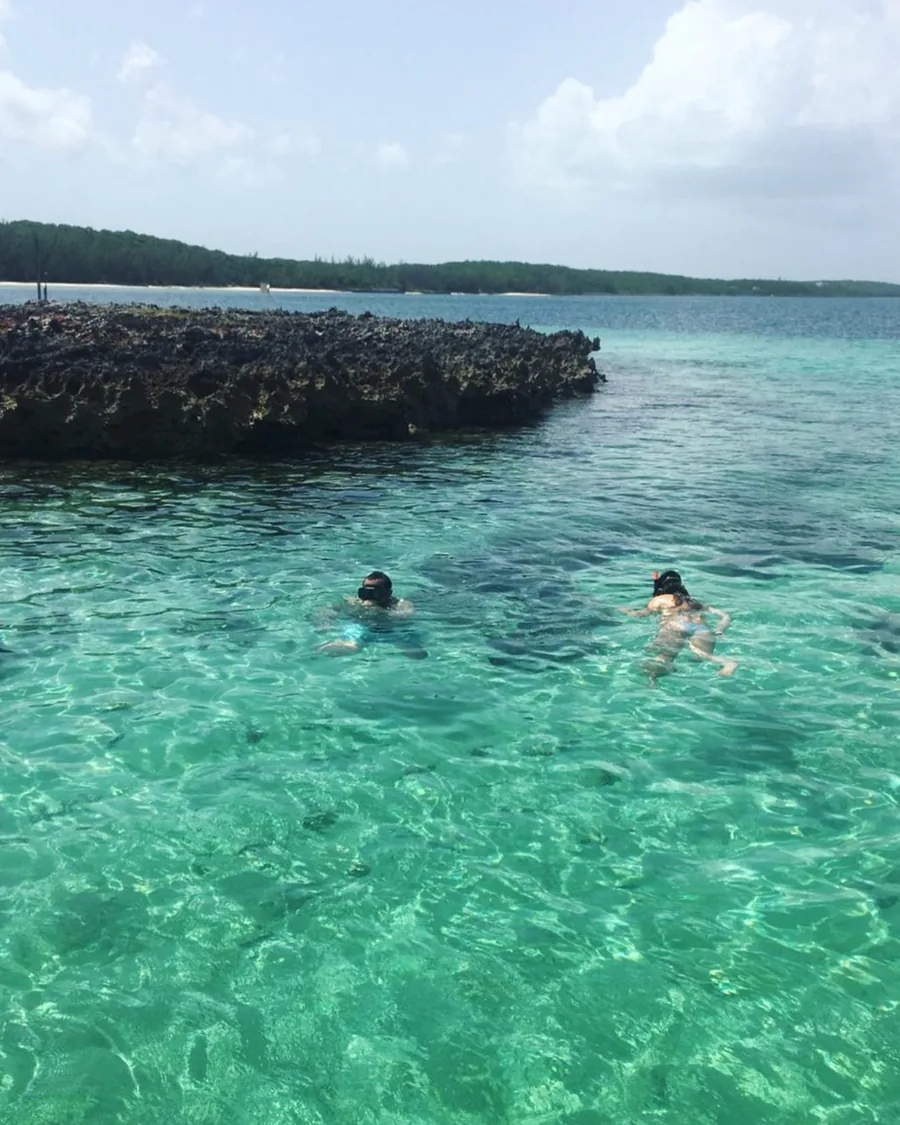
The most common beginner mistake is trying to swim face-down immediately, with legs sinking. Get horizontal on the surface first, with a flotation aid if you have one, and let the water hold you. Salt water does most of the work — you float in the Bahamas without trying.
Once you are stable and breathing slowly, put your face in. Then look down. Most of what you came to see is directly beneath you, not in front of you.
What to do if you feel panicky
It happens, and it is not a character flaw. The sequence that works: stop moving, roll onto your back, look at the sky, breathe normally for ten seconds, then signal the boat. On a private charter the captain is watching you, not sixty other people, so a raised hand gets an immediate response.
If you have had a bad experience before, say so before you get on the boat. We will pick a shallow, sheltered site with a sandy bottom, put you in the water close to the ladder, and stay with you. Nobody is going to be pushed off the back of the boat.
Small things that make a big difference
- Don’t use sunscreen on your face before you put the mask on. It lubricates the skirt and the mask will slide. Sunscreen after, or a rash guard and a hat instead.
- Spit or baby shampoo beats commercial defog. Rub it on the inside of the lens, rinse once, and the glass will stay clear.
- Take seasickness tablets the night before, not on the boat. By the time you feel ill, the tablets are too late.
- Eat something light beforehand. An empty stomach makes motion sickness worse.
- Wear a rash guard. You will stay in the water twice as long if you are not thinking about your back burning.
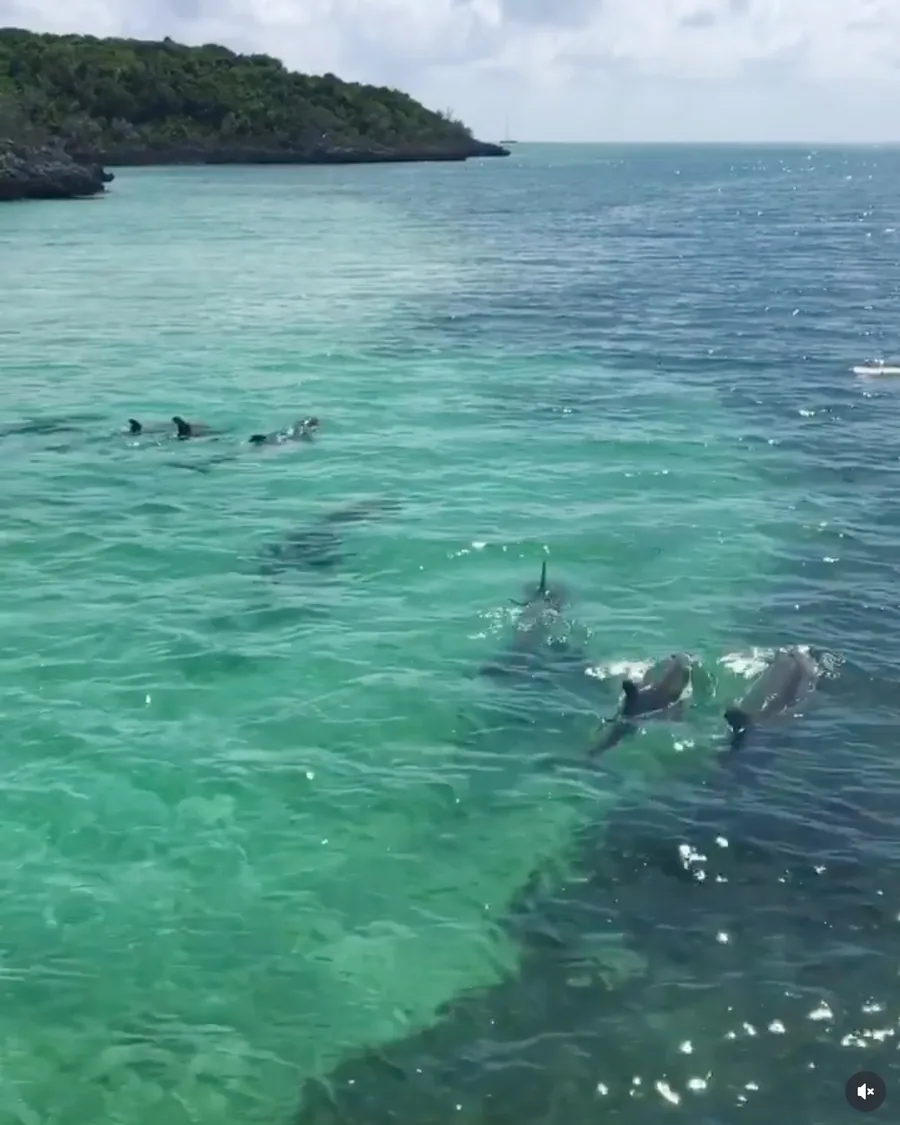
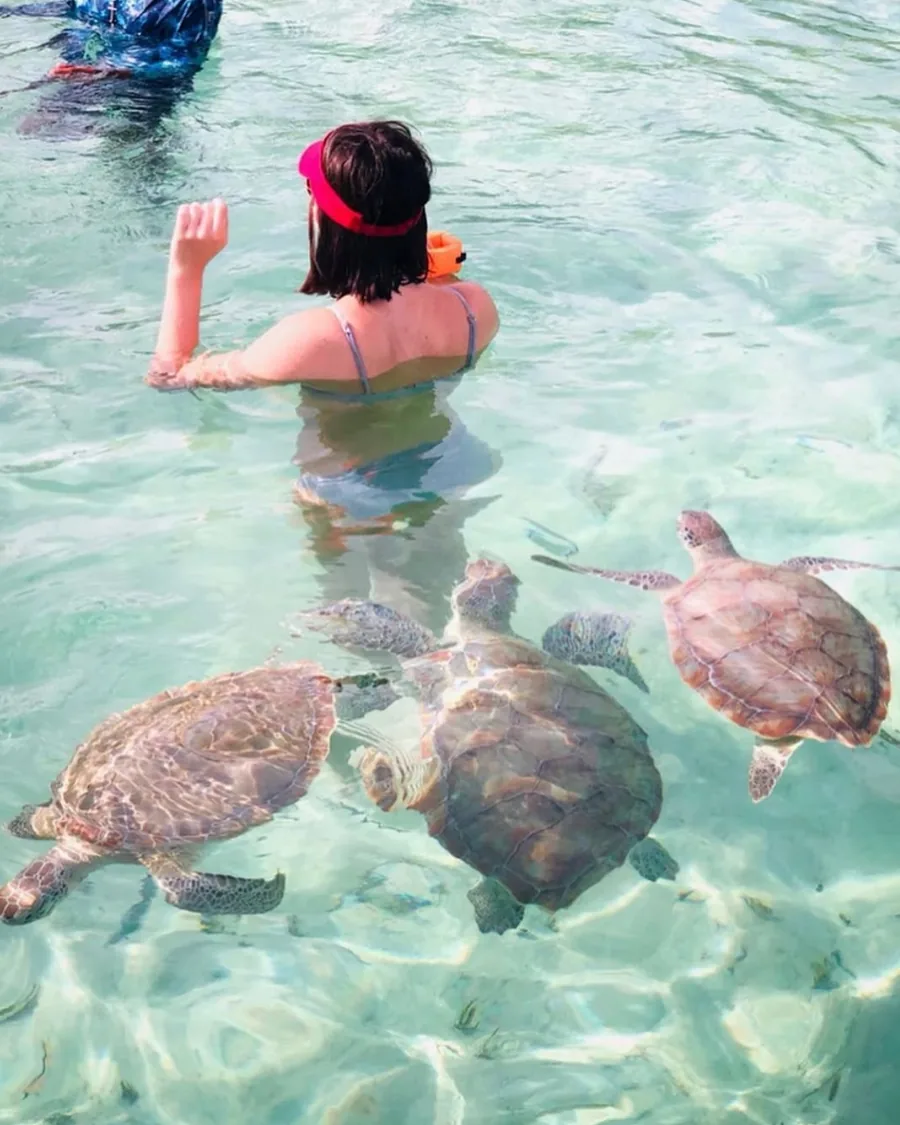
- Do not chase the fish. Stop moving and they come to you. This is true of turtles, rays, groupers and almost everything else worth seeing.
For children
Children adapt faster than adults if they are allowed to play first. We let them paddle in the shallows with a float, look at a starfish, get used to the mask on their face without the snorkel, and only then try the whole set-up. Ten minutes of that beats twenty minutes of instruction.
A well-fitted child’s mask matters more than any technique. Adult masks leak on small faces and the child concludes they cannot snorkel. Tell us the ages when you book and we will have the right sizes aboard.
The only real rule
Look, do not touch. Everything else is negotiable. Corals are animals, they are slow, and a handhold that lasts a second can take decades to grow back. The reef will show you far more if you keep your hands to yourself and let it come to you.
If you would like to put this into practice, the snorkelling charter runs to the calm, shallow sites first and moves on as your confidence builds. Nervous swimmers are genuinely welcome.