Cameras
Underwater photography on a phone
Half the photos guests send us are blue-grey mush. The other half look like magazine covers. The difference is not the phone — it is depth, light and getting close.

Underwater photography has a reputation for being expensive. It does not have to be. In the Bahamas, most of the good pictures are taken in eight to twenty feet of water on a bright morning, which is exactly the range where a phone in a decent pouch can hold its own against a rig costing ten times as much.
What it cannot do is fix bad habits. These are the ones that matter.
Get a proper housing, not a zip bag
A thin plastic pouch will keep water out for a while and will also produce soft, hazy images because the plastic flexes and refracts. A rigid polycarbonate housing with a flat glass or optical-grade lens port costs less than a nice dinner and is the single biggest upgrade to image quality.
Test it empty, with a tissue inside, in a bucket of water before you trust it with your phone. Do that every trip. Housings fail at the seal, and the seal is usually compromised by a grain of sand.
Stay shallow
Water eats colour and contrast with depth. Red goes first, then orange, then yellow — by thirty feet everything is blue-green without artificial light. In four to fifteen feet, with the sun overhead, a phone sensor still records most of the spectrum.
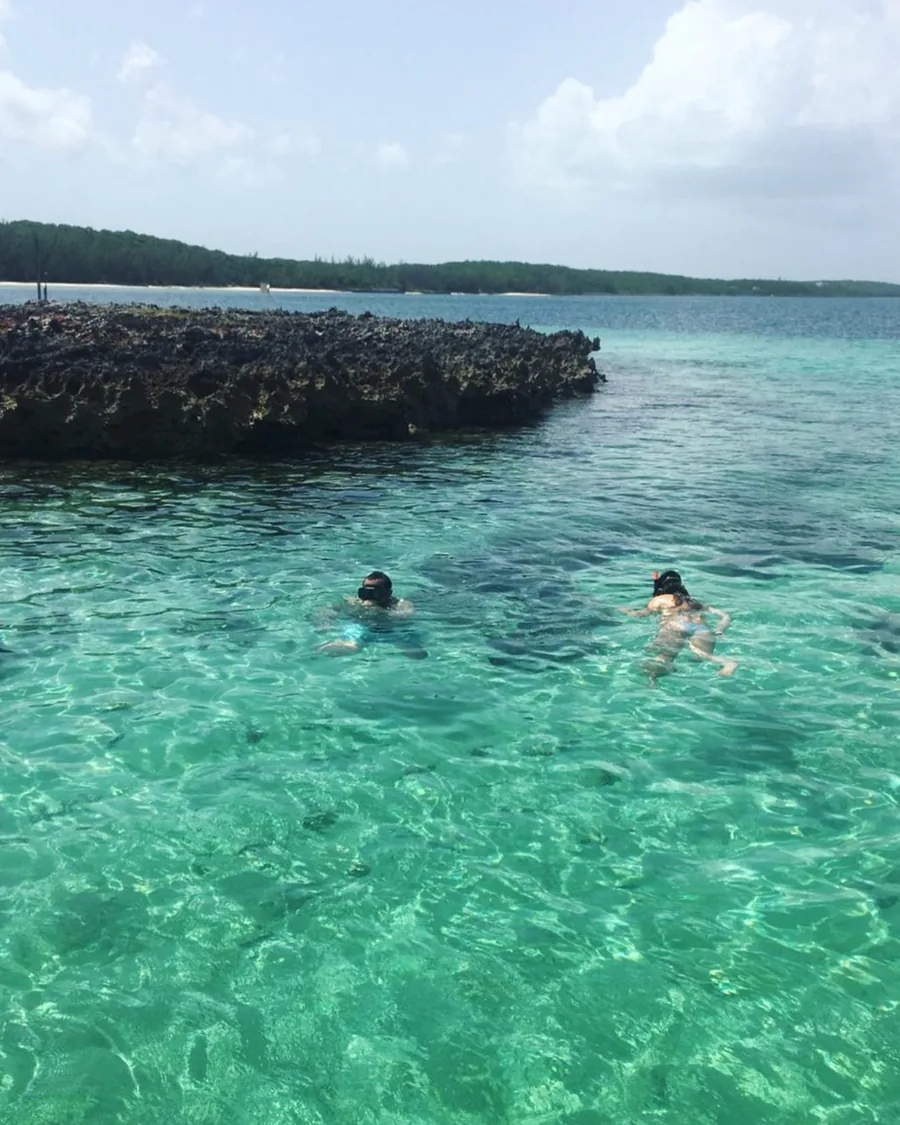
This is one of the advantages of snorkelling over diving: you are already in the colour zone. Do not swim deeper to get a better shot. Swim closer.
Shoot with the sun behind you
Ambient light is everything. Position yourself so the sun is over your shoulder and the subject is lit from the front, and the colours will look the way they do in your memory. Shoot into the sun and you get a silhouette or a blown-out white patch.
Time of day matters more than any setting. Between ten and two the sun is high enough to penetrate the surface without reflecting off it. Early morning and late afternoon give beautiful light above the water and murky light below it.
Get within a metre
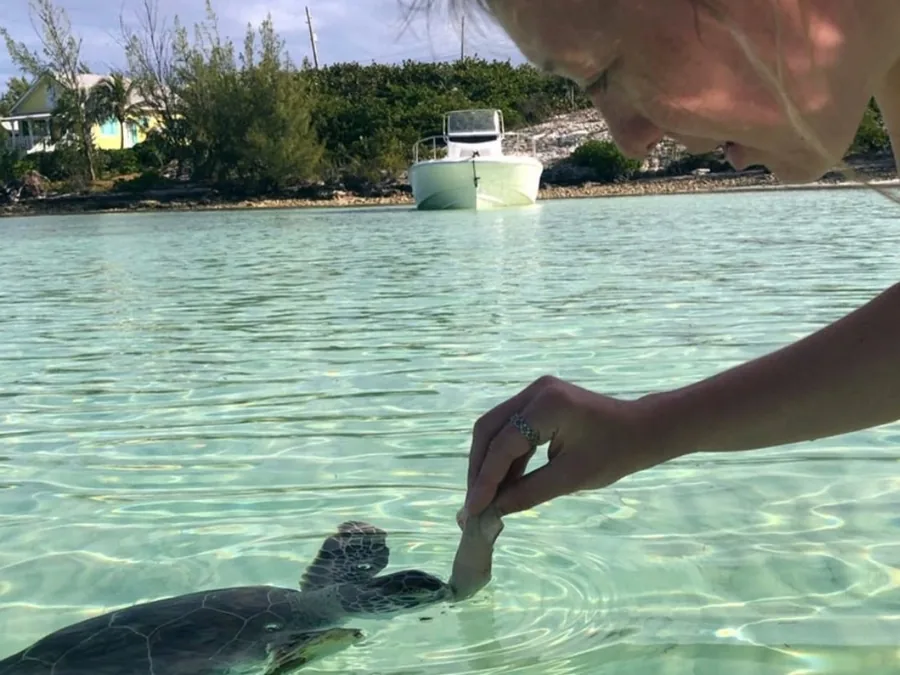
Water is a filter, and every centimetre of it costs you clarity. The classic beginner mistake is photographing a turtle from six metres away and ending up with a small dark shape in a large blue rectangle.
Get close, then get closer. Move slowly, keep your fins still, and let the animal decide whether to stay. If it swims off, you were too fast, not too close.
Shoot level, or slightly up
Photographing down at the sand gives you a flat, dull frame. Getting your camera level with the subject, or a little below it looking up, puts water behind the animal instead of reef, and produces the layered, three-dimensional look of good underwater photography.
In shallow water this means ducking down — take a breath, drop a metre, and shoot upward toward the light.
Turn the flash off
The built-in flash on a phone is useless underwater. It lights up suspended particles in the water, producing a snowstorm in front of the lens, and it startles wildlife. Use natural light and, if you want more, use the phone’s exposure compensation to lift the shadows rather than adding light.
Lock focus and shoot in bursts
Autofocus underwater hunts, because the camera is trying to focus through a moving medium. Tap and hold on your subject to lock focus before you shoot. Then use burst mode — fish do not hold still, and one frame in twenty will be sharp.
Fix the colour afterwards, not in the camera
Underwater images will always come out a little blue. That is physics, not failure. In your phone’s editor, raise the warmth and tint slightly, lift the shadows, add a touch of contrast and saturation, and the image snaps back to what you saw.
If your phone has a red-filter mode for underwater video, use it in shallow water and skip it in deep water where it over-corrects. Most editing apps have a one-tap “underwater” preset that does a decent job.
Protect the lens and your phone
Salt water and sunscreen are the enemies. Rinse the housing in fresh water at the end of the day, dry it with a soft cloth, and never open it on a wet boat. Keep a lanyard on the housing — the most common way to lose a phone at sea is to hold it in one hand while climbing a ladder.
Photograph people, too
The pictures guests treasure five years later are almost never the perfect fish portrait. They are the ones with a face in them: a child in a mask, a partner laughing through a snorkel, the whole group on the bow with wet hair.
Hand the phone to the captain. He takes a lot of these, and he knows where the light is.
The best camera is the one that is already in the dry bag when the turtle turns up.
If you want to try this on a reef with good light and no crowd, the snorkelling charter runs early for exactly that reason.